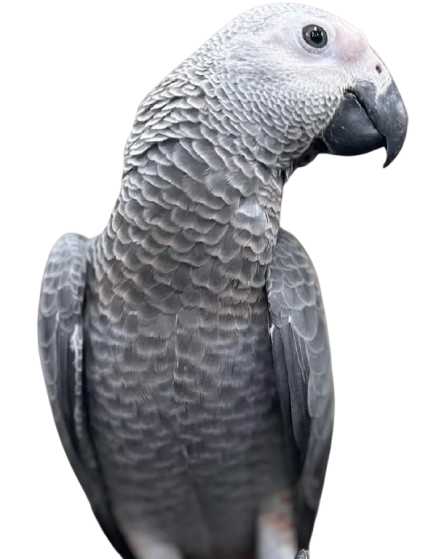
What should I prepare before bringing an African Grey parrot home
What should I prepare before bringing an African Grey parrot home? Start with the things that cannot easily be fixed after the bird arrives: a properly sized cage, safe room, suitable food, varied perches and toys, clean water, an established avian veterinarian, and enough time each day for interaction and enrichment. African Greys are intelligent, social, long-lived parrots, so bringing one home is less about buying a cage and more about preparing an environment where the bird can feel secure and gradually settle into your routine.
What should I prepare before bringing an African Grey parrot home?
The best preparation is surprisingly simple when you break it down.
I like to think about it in three areas: the bird’s physical environment, its daily routine, and your own expectations.
The physical environment includes the cage, perches, toys, food and water. The routine includes sleep, feeding, exercise, interaction and cleaning. Your expectations are a little harder to put in a shopping basket, but they matter just as much.
An African Grey is not a decoration that happens to talk. It is a highly intelligent animal that needs social contact, stimulation and consistency. WWF notes that the species can require hours of stimulation and social time each day and that its long lifespan can make ownership a decades-long commitment.
So, before the carrier reaches your front door, the basic setup should already be finished.
Prepare the African Grey cage before arrival
Do not wait until the bird comes home to assemble the cage.
Give yourself a day or two to put everything together, inspect the doors and locks, wash the bowls, position the perches and make sure there is enough usable space after toys and feeding equipment are installed.
A commonly cited starting point for an African Grey cage is around 36 inches wide by 24 inches deep by 48 inches high, although bigger is preferable when your home allows it. Bar spacing around ¾ to 1 inch is commonly recommended for Greys.
The exact dimensions are not the only consideration.
The bird should be able to move around, climb, stretch its wings and use different areas of the cage without constantly bumping into toys or bowls.
Choose durable, bird-safe materials. African Greys have powerful beaks, and they investigate things by chewing them. That innocent-looking coating or cheap metal clip deserves more attention than it usually gets.
Choose the right location for the cage
Where you put the cage can influence how comfortable your new parrot becomes.
A completely isolated room may leave the bird lonely. On the other hand, putting the cage directly beside a television, in a busy hallway, or next to the kitchen can create unnecessary stress and expose the bird to hazards.
A practical location is usually a part of the home where the family spends time but where the parrot can also retreat from excessive noise.
Keep the cage away from cooking areas and fumes. African Greys are curious, and household hazards can be easy to overlook. Veterinary guidance specifically warns owners about hazards such as overheated nonstick cookware, smoke, toxic fumes, ceiling fans, pesticides and certain household foods.
This is one of those things I would rather prepare twice than regret once.
Set up several types of perches
One straight perch across the cage is not enough.
Give your African Grey different perch sizes and textures so it can change foot position and move around naturally. Natural, appropriately prepared bird-safe wood can be useful, while a flat resting surface can provide another option.
LafeberVet recommends perch diameters around one inch for African Greys and emphasizes physical and mental stimulation as part of their care.
Avoid sandpaper-covered perches and anything with questionable coatings or chemicals.
Also check the perches regularly. Greys chew. A perch that looked perfectly solid when you installed it may look rather different a few weeks later.
Prepare food and fresh water in advance
Have the bird’s normal diet ready before it arrives.
A formulated parrot diet is generally used as the foundation, with fresh vegetables and other appropriate foods added according to the bird’s individual nutritional plan. WWF recommends a high-quality formulated diet supplemented with leafy greens, fruits and vegetables.
Do not make the first day a nutritional experiment.
If the bird is already eating a particular diet, find out what it has been eating and avoid making a sudden dramatic change while it is also adjusting to a new home.
Fresh drinking water should be available every day, and food and water containers should be sturdy and positioned so droppings cannot easily contaminate them.
And please learn the toxic-food list before the parrot arrives. Chocolate, avocado and alcohol, for example, should not be part of an African Grey’s diet.
Buy toys before your African Grey comes home
This is where many new owners underestimate the bird.
A Grey sitting quietly on a perch may look perfectly content. Meanwhile, its brain is looking for something to investigate.
Have several safe toys ready, but do not fill every inch of the cage. Leave enough room for movement.
Think about chewing, climbing, manipulating and foraging rather than buying ten toys that all make the same noise.
Foraging is particularly useful because it encourages a parrot to work for food in ways that resemble natural behavior. LafeberVet specifically identifies foraging as an important part of normal daily parrot activity.
You can rotate toys instead of leaving everything inside permanently. A toy that disappears for two weeks can become interesting again when it returns.
Make your home African Grey-safe
Before bringing the bird home, walk through the rooms from the perspective of a curious parrot.
Look for:
- Ceiling fans
- Open windows and doors
- Hot cooking surfaces
- Nonstick cookware and fumes
- Electrical wires
- Toxic houseplants
- Cleaning chemicals
- Aerosol sprays
- Smoke
- Other pets
- Small objects that can be swallowed
- Unsecured containers
- Open toilets or water containers
African Greys are excellent explorers. That is wonderful until exploration leads somewhere dangerous.
I recommend choosing one room as the initial supervised flight area. You can make it safer before allowing the bird to explore more of the house.
Prepare a quiet first-day routine
The first day does not need to be exciting.
Actually, quieter is often better.
Your new African Grey has probably experienced transportation, unfamiliar people, unfamiliar sounds and an entirely different environment. Putting it immediately into a busy household and inviting everyone to touch it can be too much.
Let the bird observe.
Speak calmly. Keep movements predictable. Show it where the food and water are. Give it time to understand the cage.
Some Greys become curious almost immediately. Others need considerably longer. Neither reaction automatically tells you what the bird’s long-term personality will be.
New objects should also be introduced thoughtfully because African Greys can be sensitive to environmental changes.
Arrange an avian veterinarian before you need one
This is one preparation I strongly recommend doing before bringing home the bird.
Find an avian veterinarian who is comfortable treating parrots and keep the clinic’s contact information somewhere easy to access.
African Greys can conceal signs of illness, which means waiting until a bird looks seriously sick is not a good health strategy. WWF also recommends access to a veterinarian who specializes in birds and suggests discussing habitat, diet and care with that professional.
Ask your breeder what veterinary examinations, testing and records accompany the bird. Keep copies of everything.
That paperwork can become surprisingly valuable later.
Prepare yourself for the African Grey’s daily routine
Before bringing an African Grey home, look honestly at your schedule.
Who will feed the bird?
Who will clean the cage?
When will the bird have supervised out-of-cage time?
Who will interact with it when everyone is busy?
What happens when you travel?
What happens if you move?
These questions may sound excessive before the bird arrives. They do not feel excessive after six months of ownership.
African Greys need more than physical space. They need social interaction and mental stimulation, and inadequate enrichment can contribute to behavioral problems.
A reliable routine is particularly valuable for a sensitive bird.
Prepare for the long-term commitment
One of the biggest things to prepare is not something you can buy.
It is your commitment.
African Greys can live for decades in captivity, with sources commonly giving approximately 40–60 years under appropriate care.
That means your plans should extend beyond the first year.
Consider who could care for the parrot if your circumstances change. Think about veterinary expenses, food, housing, travel arrangements and what happens if you are unable to keep the bird in the future.
This is also why choosing the bird’s source matters. African Greys are an endangered wild species and responsible prospective owners should seek legally obtained, captive-bred birds from reputable sources rather than supporting wild capture or questionable trade.
Top 12 things to check before choosing an African Grey breeder
If you are preparing to bring home an African Grey, use this list when speaking with breeders.
1. Ask whether the bird is captive-bred
You should know where the bird came from.
2. Confirm whether it is a Congo or Timneh
Both are African Greys, but they differ in size and appearance.
3. Ask for health records
Do not be uncomfortable asking for documentation.
4. Ask about veterinary care
Find out whether the bird has been examined and what testing has been performed.
5. Ask what the bird is eating
You want continuity during the transition.
6. Confirm that the bird is fully weaned
Do not assume a young parrot is ready simply because it is eating some solid food.
7. Ask how the bird was socialized
A well-handled young parrot has had opportunities to experience people and normal household situations.
8. Observe the bird’s environment
Clean, safe and appropriately maintained housing should be expected.
9. Ask about the parents when possible
Responsible breeders should be able to explain the bird’s background.
10. Avoid guaranteed promises
Nobody should guarantee that an African Grey will become a certain kind of talker or have a particular personality.
11. Ask questions about after-sale support
A breeder who remains available for reasonable care questions can be valuable, particularly for a first-time Grey owner.
12. Never let urgency replace research
If you feel pressured to send money immediately, slow down.
A healthy African Grey is a long-term decision. There is little sense in rushing the most important part.
Your African Grey arrival-day checklist
Before the carrier arrives, I would want these things ready:
Cage: assembled, secure and appropriately positioned.
Perches: several safe sizes and textures.
Food: the bird’s familiar diet available.
Water: clean drinking water ready.
Toys: safe chewing, climbing and foraging options.
Room: windows, fans, wires and other hazards secured.
Veterinarian: contact information saved.
Cleaning supplies: bird-safe and ready.
Routine: feeding, interaction, exercise and sleep schedule considered.
Household: everyone knows how to behave around the new bird.
That last one gets forgotten surprisingly often. One person may understand that the bird needs quiet time while another person keeps opening the cage because they want to hold it.
Consistency helps.
Conclusion: What should I prepare before bringing an African Grey parrot home?
What should I prepare before bringing an African Grey parrot home? Prepare much more than a cage. Have a safe and spacious enclosure, appropriate food, clean water, varied perches, enrichment toys, a bird-safe room, an avian veterinarian and a realistic daily routine ready before the bird arrives.
Most importantly, prepare yourself for a relationship that can last for decades.
The first few days should be about security rather than showing off what your new parrot can do. Give the African Grey time to observe, learn your routine and decide that its new surroundings are safe.
If you get that foundation right, everything else—including training, talking, handling and building trust—has a much better place to begin.
Frequently Asked Questions
What should I prepare before bringing an African Grey parrot home?

At minimum, prepare a properly sized and secure cage, safe perches, suitable food, fresh water, enrichment toys, a bird-safe area, and access to an avian veterinarian. You should also establish a predictable routine and remove household hazards before the parrot arrives. African Greys have substantial social and mental needs, so preparation should include enough daily time for interaction and supervised activity, not just physical supplies.