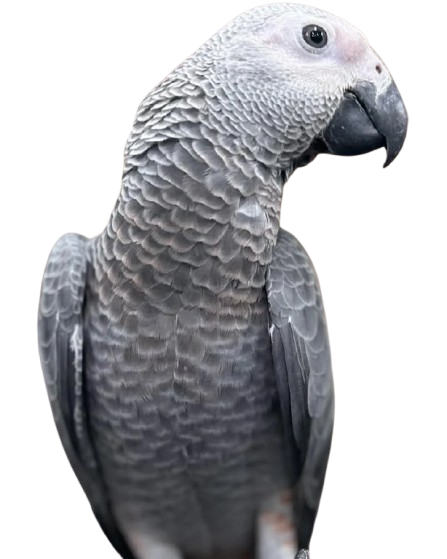
Terms of Services are important for anyone using an African Grey parrot breeder’s website because they explain what both the customer and the breeder can reasonably expect before an inquiry, reservation, purchase, or delivery arrangement takes place. African Grey parrots are intelligent, long-lived companion birds, so obtaining one should never feel like an ordinary online purchase. In my experience as a breeder, the clearest arrangements are usually the best ones: customers understand what information they need to provide, breeders explain their process honestly, and the welfare of the bird remains the priority from beginning to end.
Understanding Terms of Services When Looking for an African Grey Parrot
When people search for African Grey parrots, they often focus on the bird first. I understand that completely. You see a beautiful Congo or Timneh African Grey, imagine hearing its voice in your home, and perhaps start thinking about the day you bring it home.
But the practical side matters too.
Terms of Services are designed to explain the relationship between a website, breeder, and customer. They can cover website use, inquiries, reservations, payments, communication, availability, delivery arrangements, and other conditions that may apply to a transaction.
For a breeder, these terms are not simply a page filled with formal language. At least, they should not be. Good terms help prevent misunderstandings.
An African Grey may live for decades, and responsible ownership requires more than selecting a bird because of its appearance or talking ability. African Greys have demanding social, environmental, dietary, and veterinary needs, and potential owners should understand that commitment before bringing one home.
Why Terms of Services Matter to African Grey Buyers
I think one of the biggest mistakes people make when shopping online for a parrot is assuming that every breeder or seller follows the same process.
They do not.
One breeder may require a reservation before holding a bird. Another may not consider a bird reserved until certain steps are completed. Some breeders may limit availability based on weaning progress or the individual development of the bird.
That is why reading the Terms of Services before making arrangements can save everyone a great deal of confusion.
A clear set of terms should help answer questions such as:
- What happens after an inquiry is submitted?
- Is a bird guaranteed to remain available?
- How are reservations handled?
- What information should a buyer provide?
- Can a breeder decline or delay placement for welfare reasons?
- What responsibilities belong to the future owner?
- What happens if circumstances change?
These are ordinary questions, but they are important ones.
African Grey Parrot Availability and Reservations
African Grey parrot availability can change quickly. A bird shown as available today may later be reserved, retained by the breeder, or temporarily removed from placement while its development or welfare is being monitored.
That is something prospective buyers should understand from the beginning.
A young parrot should not be rushed into a new home simply because someone is ready to complete a transaction. Responsible placement sometimes requires patience. Development, health checks, weaning, temperament, and readiness for transition all matter.
Under sensible Terms of Services, availability should therefore be treated as subject to change.
As a breeder, I would rather explain that honestly than promise something that cannot responsibly be guaranteed.
Terms of Services for Responsible African Grey Ownership
Owning an African Grey is a serious commitment. These birds are highly intelligent and socially demanding, and their care needs can extend over several decades. Prospective owners should consider their available time, home environment, access to qualified avian veterinary care, and long-term ability to provide appropriate care.
Before bringing an African Grey home, I believe a future owner should honestly consider:
Time and Daily Interaction
African Greys are not decorative pets. They need attention, stimulation, environmental enrichment, and a predictable routine.
A person who is frequently away from home may still be able to keep a parrot responsibly, depending on the household and care arrangements, but this should be considered carefully. Every situation is different.
Proper Housing
A strong, appropriately sized enclosure, suitable perches, safe toys, and opportunities for supervised activity are important parts of daily care. The bird should have enough room to move comfortably and should not spend its entire life confined without stimulation.
Diet and Nutrition
A healthy African Grey diet should not rely entirely on seeds. Formulated diets, fresh vegetables, leafy greens, and appropriate foods are commonly recommended as part of a balanced feeding program. Owners should also understand which household foods may be dangerous to parrots.
Veterinary Care
African Greys can hide signs of illness, as many birds naturally do. Establishing a relationship with a qualified avian veterinarian is an important part of responsible ownership.
This is another reason why buying an African Grey should not be an impulse decision.
Types and Species of African Grey Parrots
People often use the term “African Grey parrot” broadly, but prospective owners may encounter two distinct species in modern classification: the Congo African Grey and the Timneh African Grey.
Congo African Grey
The Congo African Grey is generally larger and is widely recognized by its lighter grey plumage and bright red tail.
They are famous for their intelligence, ability to imitate sounds, and strong personalities. However, intelligence should not be mistaken for simplicity. A highly intelligent bird can also become stressed, bored, or unsettled when its needs are consistently ignored.
Timneh African Grey
The Timneh African Grey is generally smaller and has darker plumage with a darker, maroon-colored tail.
Some owners and breeders describe Timneh Greys as having somewhat different personalities, although individual temperament can vary considerably. I would not recommend choosing a bird based entirely on a general personality description found online.
The individual bird matters.
Its socialization, history, health, environment, and relationship with people can all influence how it behaves.
Current avian references recognize Congo and Timneh Greys as separate species rather than simply treating them as variations of one bird.
A Practical User Guide Before Agreeing to Terms of Services
Before accepting Terms of Services or making a commitment toward an African Grey, I recommend slowing down and checking a few things.
First, read the information provided about the bird and the breeder.
Second, ask questions if something is unclear. A responsible buyer should never feel that asking reasonable questions is somehow inconvenient.
Third, confirm that the information provided about the bird matches what you are expecting. Do not make assumptions about age, readiness, sex, documentation, delivery arrangements, or included services.
And finally, consider the future.
African Greys may live for 40 years or more under human care, with some sources describing lifespans reaching approximately 60 years. That makes ownership a long-term responsibility rather than a short-term hobby.
Top Things to Look for in an African Grey Breeder
Rather than choosing a breeder based only on the first photograph or the lowest advertised price, I suggest looking for several important qualities.
1. Clear Communication
A breeder should be able to explain the process in understandable language.
2. Accurate Bird Information
Details about the individual bird should not be exaggerated simply to encourage a quick sale.
3. Responsible Placement
A breeder should care about whether the potential home is suitable.
4. Transparency About Availability
No breeder should create unnecessary pressure by pretending that every bird is available or by making guarantees they cannot realistically keep.
5. Welfare-Focused Practices
The health and development of the bird should come before rushing a placement.
6. Clear Terms of Services
Customers should understand the conditions that apply before they make important decisions.
7. Respect for Legal Requirements
African Grey parrots are subject to wildlife and ownership regulations that can vary by location. Buyers should confirm the rules that apply where they live and ensure that they are obtaining birds through legitimate, lawful channels.
Website Use Under Terms of Services
The Terms of Services for an African Grey parrot website may also explain how visitors are expected to use the website.
Information on the site should be used for legitimate purposes. Visitors should provide accurate information when making inquiries and should not use another person’s identity or contact information without permission.
Website content may also change over time. Care recommendations, availability information, and business procedures can be updated when necessary.
That is normal.
A good website should not pretend that information can never change. Bird care evolves, veterinary recommendations develop, and individual birds obviously do not remain available forever.
Communication and Buyer Responsibilities
Clear communication works both ways.
A breeder should provide honest information, but a prospective owner should also provide accurate information when discussing a potential bird.
If your circumstances change, it is usually best to communicate that early.
Perhaps your housing situation changes. Perhaps a family member discovers an allergy. Perhaps you realize that the time commitment is greater than you expected. These situations happen.
In my opinion, recognizing that an African Grey is not the right bird for your current circumstances is far better than bringing one home before you are prepared.
Conclusion: Read the Terms of Services Before Making a Commitment
Terms of Services help establish clear expectations between an African Grey breeder and a potential owner. They should explain the process honestly, protect against misunderstandings, and support responsible decisions.
An African Grey can become an extraordinary companion, but the decision to bring one into your life deserves patience. Take time to understand the bird, the breeder’s process, your responsibilities, and the conditions attached to any reservation or purchase.
The best starting point is not rushing.
It is understanding what you are agreeing to and making sure you are genuinely prepared for the years ahead.