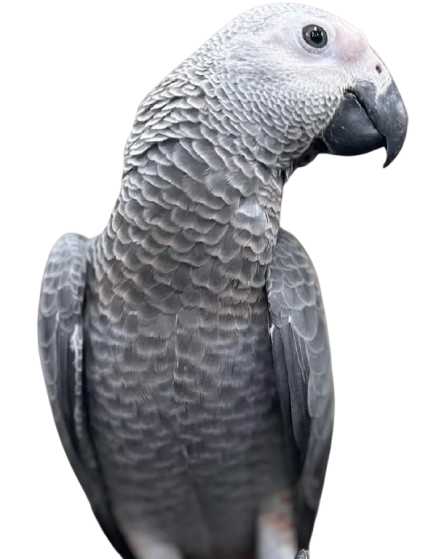
Are African Grey parrots good pets for beginners
Are African Grey parrots good pets for beginners? Usually, not for a first-time bird owner—but a well-prepared beginner can succeed with one. African Greys are exceptionally intelligent, social, sensitive, long-lived parrots that need a dependable routine, daily interaction, mental stimulation, safe housing, and access to an avian veterinarian. They can become extraordinary companions, but they are not the sort of pet I would recommend buying simply because you saw one talking beautifully in a video.
Are African Grey Parrots Good Pets for Beginners? The Honest Answer
When someone asks me whether African Grey parrots are good pets for beginners, I try not to give a simple yes or no.
The better answer is it depends on what you mean by beginner.
Someone who has never owned a bird, has done little research, works away from home all day, travels frequently, and wants a low-maintenance pet is probably not a good match for an African Grey. Veterinary and care resources commonly caution that these parrots have demanding social and mental needs and are not ideal novice birds.
But there is another type of beginner.
I have seen people with no previous parrot experience take the responsibility seriously, learn about bird behavior, prepare the home properly, find an avian veterinarian, establish a routine, and become very capable owners. That person may have a much better chance of succeeding than somebody who has owned several birds but never really learned how African Greys think and behave.
So, are African Grey parrots good pets for beginners? They can be, but they are demanding beginner pets rather than easy beginner pets. I would call them a species for a prepared first-time owner, not an effortless first bird.
Why African Grey Parrots Are So Appealing
It is easy to understand why people fall in love with African Greys.
They are intelligent, observant, expressive, and remarkably capable of learning sounds. Some become excellent talkers, while others may prefer whistles, household noises, or their own collection of sounds. Their personalities can be fascinating.
They also tend to build strong relationships with their owners. VCA notes that African Greys can bond closely with people and may develop a particularly strong attachment to one member of the household.
That bond is one of the reasons experienced owners enjoy them so much.
But there is a catch.
A bird that is intelligent enough to learn your routines is also intelligent enough to notice when those routines suddenly disappear. A bird that enjoys your company may not appreciate being ignored for long periods. And a bird that chooses one favorite person may not automatically become equally comfortable with everyone else.
That is where inexperienced owners sometimes become surprised.
African Grey Temperament: What Beginners Need to Understand
African Greys are not always the constantly cuddly parrots people imagine.
Many are affectionate on their own terms. Some enjoy head scratches and close interaction. Others are more reserved and prefer sitting nearby while watching everything happening around them.
They can also be cautious about unfamiliar objects and changes. Lafeber’s veterinary information recommends introducing new objects gradually because Greys can be sensitive to change. It also notes that insufficient attention and abrupt changes in routine can contribute to behavioral problems, including feather-damaging behavior.
This is important for a beginner.
You cannot always solve an African Grey’s behavior by simply insisting that the bird “get used to it.” Patience usually works better. If a new toy frightens the bird, for example, I would rather place it nearby and let the bird investigate it gradually than force it into the cage and create unnecessary fear.
That small difference in approach can matter.
The Intelligence of an African Grey Is Both a Gift and a Responsibility
One of the biggest reasons African Greys are considered challenging is their intelligence.
They need things to do.
Foraging, chewing, climbing, training, exploring, and interacting with their owners give them opportunities to use their minds and bodies. Veterinary guidance specifically emphasizes physical and mental stimulation and recommends encouraging natural foraging behavior.
A beginner who thinks, “I bought a large cage, so the bird will be fine while I work,” may eventually run into trouble.
The cage is only part of the environment.
An African Grey needs an interesting daily life. Toys should not simply hang untouched for months. Safe items can be rotated. Training sessions can be short and positive. Food can sometimes be presented in ways that encourage natural searching and manipulation.
It does not have to become a complicated project every morning.
Even simple interaction can be valuable when it is consistent.
Can a Beginner Handle the Daily Care of an African Grey?
Yes, but the owner needs to be organized.
African Grey care involves feeding, cleaning, social interaction, exercise, enrichment, observation, and veterinary planning. Their environment also needs to be safe because parrots interact with their surroundings using both beak and feet.
Their diet deserves particular attention. WWF notes that captive African Greys should receive a high-quality formulated diet supplemented with appropriate leafy greens, fruits, and vegetables.
I would strongly discourage a new owner from creating a diet based almost entirely on seeds because the bird happens to enjoy them.
Enjoying something and needing it as the foundation of a healthy diet are two different things.
Fresh water should be available every day, food and water dishes should be kept clean, and changes in appetite or normal behavior should be taken seriously.
A beginner does not need to know everything on day one. What matters is being willing to learn.
How Much Attention Does an African Grey Need?
This is one of the questions I would ask before agreeing that an African Grey is suitable for someone.
How much time are you realistically at home?
African Greys are social animals and require regular interaction. They also need opportunities for exercise and mental stimulation. Sources describing their care consistently emphasize that owners need to provide substantial social and environmental enrichment.
If your normal day means leaving early in the morning, returning late at night, eating dinner, and going straight to bed, an African Grey may not fit comfortably into that lifestyle.
And this is not about counting every minute with a stopwatch.
Quality matters. A bird can sit beside you while you read or work. You can practice a few training behaviors. You can offer a safe foraging activity. You can allow supervised out-of-cage exercise.
The important part is that the bird is included in your life rather than treated as decoration.
Are African Grey Parrots Good Pets for Families?
They can be wonderful family companions, but families need realistic expectations.
African Greys may form a particularly close relationship with one person. That can occasionally create tension if other household members expect the bird to behave exactly the same way with them. VCA specifically notes the possibility of strong one-person bonding and aggression toward others in some birds.
For this reason, I would teach every responsible member of the household how to respect the bird’s body language and boundaries.
Children should never be expected to manage an African Grey without appropriate adult supervision.
A family that understands the bird may have a favorite person, may sometimes refuse handling, and needs quiet time can do much better than a family expecting a bird that everyone can pick up whenever they want.
African Grey Parrot Lifespan Is a Serious Beginner Consideration
There is another part of the beginner question that often gets overlooked: time.
African Greys can live for decades. WWF gives a captive lifespan range of approximately 40 to 60 years.
That is a huge commitment.
Think about where you expect to live in ten years. Then twenty. Your work may change. Your family may change. You may move to another city. Your financial situation may look completely different.
The bird still needs care.
This is one reason I tell prospective owners not to make the decision based only on how much they want an African Grey today. Think about whether you can reasonably provide for the bird through the less exciting years too.
The novelty eventually wears off.
The responsibility does not.
Choosing an African Grey as a First Parrot
If you are determined to make an African Grey your first parrot, preparation becomes especially important.
1. Learn Before You Buy
Read about diet, behavior, cage safety, sleep, enrichment, training, and common health concerns before bringing the bird home.
2. Find an Avian Veterinarian
Do this before there is an emergency. New birds should receive veterinary attention from a professional familiar with birds.
3. Prepare the Cage and Room
Use safe, durable equipment and provide appropriate perches, toys, and opportunities for movement. Lafeber recommends cage bar spacing around 0.75–1 inch for African Greys and emphasizes suitable perches and enrichment.
4. Understand Socialization
Ask how a young African Grey has been handled and socialized. VCA recommends exposing young birds gradually to different people and normal experiences to encourage a calm, adaptable companion.
5. Prepare for Noise
African Greys can be relatively quiet compared with some larger parrots, but quiet does not mean silent. Talking, whistles, contact calls, and household sound imitation are all possible.
6. Learn Body Language
Watch the bird rather than forcing interaction. Posture, feathers, eyes, movement, and vocalizations can tell you when the bird is interested, nervous, overstimulated, or ready to be left alone.
7. Budget for More Than the Bird
The purchase price is only one expense. A suitable cage, quality food, toys, cleaning supplies, veterinary examinations, and emergency care all belong in the budget.
8. Establish a Routine
African Greys generally benefit from predictable daily schedules. Feeding, sleep, interaction, exercise, and enrichment should not be completely random from one day to the next.
9. Do Not Expect Instant Trust
A new African Grey may need time to understand you and its new surroundings. Some birds settle quickly; others take considerably longer.
10. Choose the Individual, Not Just the Species
Temperament varies between individual birds. A beginner should consider the bird’s personality, socialization, health history, and compatibility with the household rather than choosing solely because it is a Congo or Timneh.
Congo or Timneh: Which Is Better for a Beginner?
The Congo and Timneh African Greys are closely related but are now recognized as separate species. Congo Greys are generally larger, with the familiar bright red tail and black beak, while Timnehs are smaller and have darker plumage, a maroon tail, and a lighter upper beak.
I would not tell a beginner that one is automatically “easy.”
That is too simplistic.
Individual temperament, socialization, health, and the owner’s ability to provide appropriate care are more important than assuming one type will solve all the challenges associated with African Grey ownership.
If you are choosing between them, spend time learning about both and, where possible, meet the individual bird before making your decision.
Top Things to Look for When Choosing an African Grey Breeder
If you are ready to begin looking for an African Grey, the breeder or seller deserves almost as much attention as the bird.
Here is my practical checklist:
- Ask how the bird was raised. Find out whether it received regular human interaction.
- Ask about weaning. Make sure the bird is genuinely ready for its new home rather than being rushed out because of demand.
- Request available health information. Good records are useful when establishing veterinary care.
- Ask what the bird is eating. A sudden diet change is not something I like to see handled casually.
- Discuss temperament. Ask how the bird responds to handling and unfamiliar people.
- Ask about socialization. A young bird should have appropriate exposure to normal household experiences.
- Look for transparency. Be cautious when basic questions are avoided.
- Do not let urgency make the decision. “Pay immediately or someone else will take the bird” is not a good reason to skip your research.
- Consider legal requirements. African Grey ownership can be subject to wildlife and local regulations, so buyers should check the rules where they live.
- Confirm the bird is captive-bred and legally sourced. Wild African Grey populations have been heavily affected by illegal capture and trade, making responsible sourcing particularly important.
- Ask what happens after the sale. A breeder willing to answer reasonable care questions can be helpful during the transition.
- Consider the bird’s future. A responsible buyer should be thinking about decades of ownership, not only the first few weeks.
These questions might seem like a lot when all you really want is to bring the bird home.
But slowing down here is worthwhile.
When an African Grey May Be the Wrong Choice
Sometimes the responsible answer is to wait.
I would reconsider an African Grey if you travel constantly, spend most of your waking hours away from home, cannot afford appropriate veterinary care, dislike noise, want a bird that requires little interaction, or are looking for an easy first pet.
That does not mean African Greys are bad pets.
It means the match may be wrong.
WWF specifically warns that the species’ lifetime care, diet, housing, and social requirements can be difficult to meet and recommends that prospective owners consider those responsibilities carefully.
There is nothing wrong with choosing a less demanding species if it fits your lifestyle better.
In fact, I think that is a sign of a thoughtful owner.
Conclusion: Are African Grey Parrots Good Pets for Beginners?
Are African Grey parrots good pets for beginners? They can be excellent companions for a well-prepared first-time owner, but they are not generally considered an easy beginner bird.
Their intelligence, strong social bonds, sensitivity, long lifespan, and need for stimulation make them considerably more demanding than many people expect. Veterinary and animal-care sources consistently emphasize the importance of interaction, enrichment, appropriate housing, nutrition, routine, and professional avian care.
If you are new to parrots but serious about owning an African Grey, do your preparation first.
Learn the species. Prepare the home. Find an avian veterinarian. Research responsible captive breeding. Think honestly about your daily schedule.
Then ask yourself one final question: Can I provide this bird with a good life not just this year, but for decades?
If the answer is yes—and you understand what that commitment involves—an African Grey can become one of the most fascinating and rewarding companions you will ever have.
Frequently Asked Question
Are African Grey parrots good pets for beginners?

African Grey parrots can be good pets for carefully prepared beginners, but they are generally better suited to experienced or highly committed owners because they require significant social interaction, mental stimulation, exercise, consistent routines, specialized care, and long-term financial and time commitments.