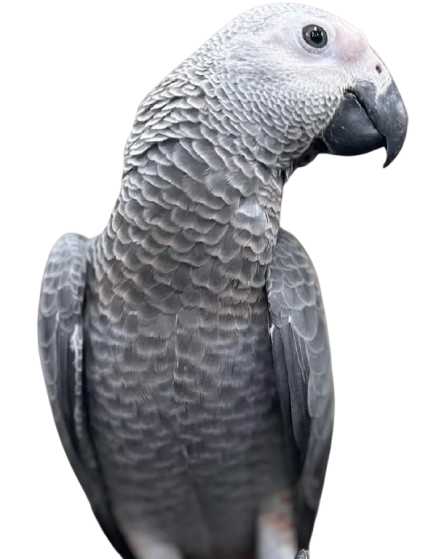
How long do African Grey parrots live
How long do African Grey parrots live? In my experience, this is one of the first questions people should ask before bringing one of these remarkable birds home. A well-cared-for African Grey can commonly live for 40 to 60 years in captivity, with many sources placing the average around several decades of long-term commitment. That means choosing an African Grey is not really a short-term pet decision. You may be choosing a companion that remains part of your life through major changes, moves, careers, and perhaps even retirement.
How Long Do African Grey Parrots Live in Captivity?
When people ask me, how long do African Grey parrots live, I usually explain that there is no single guaranteed number. These birds are individuals. Genetics, previous care, nutrition, environment, and medical history can all affect how long an individual African Grey lives.
However, African Grey parrots are generally considered exceptionally long-lived companion birds. Captive lifespan estimates commonly fall between 40 and 60 years, and a well-managed bird may remain an active part of a household for many decades.
That long lifespan surprises some first-time buyers. A puppy becoming an elderly dog after 12 or 15 years is something most people understand. An African Grey is different. You may still be caring for the same parrot 30 or 40 years after bringing it home.
This is why I always think the question should not only be how long do African Grey parrots live, but also: Am I prepared to care for one for that long?
That second question matters just as much.
Why Do African Grey Parrots Live So Long?
African Grey parrots belong to a group of birds known for relatively long lifespans. Their biology plays an important role, but the environment created by the owner also matters enormously.
A parrot living indoors with consistent access to appropriate food, protection from predators, veterinary attention, and a stable environment may face different risks from a wild bird. That does not automatically mean every pet African Grey will reach an advanced age, of course. Poor diet, chronic stress, accidents, untreated illness, and unsafe environments can shorten a bird’s life.
Wild African Grey parrots also face hazards that companion birds generally do not encounter in the same way. Available lifespan data distinguish between wild and captive populations, with captive birds typically living substantially longer.
Still, longevity is never simply about keeping a bird alive. A long life should also be a healthy and stimulating life.
African Grey Parrot Lifespan: Congo vs. Timneh
People researching how long do African Grey parrots live often want to know whether Congo African Greys and Timneh African Greys have dramatically different lifespans.
Both types are long-lived parrots, and the same basic principle applies to each: good long-term care can support a healthier life, while neglect can create serious problems.
I would be careful about choosing one type solely because someone claims it will live a specific number of years longer. Individual health and care are far more useful considerations.
When selecting a parrot, I suggest paying attention to the bird’s:
- Overall health history
- Veterinary documentation where available
- Breeding and raising practices
- Socialization
- Diet during development
- Living conditions
- Temperament and compatibility with your household
A healthy start is valuable, but the care provided after bringing the bird home remains important for the rest of its life.
Diet and How Long African Grey Parrots Live
Diet is one of the areas that deserves serious attention. An African Grey cannot thrive for decades on an unbalanced diet simply because it enjoys eating the same foods every day.
A varied and nutritionally appropriate feeding plan should be developed with guidance from an avian veterinarian who understands the needs of parrots. High-quality formulated diets, along with suitable vegetables and other appropriate foods, are commonly recommended as part of captive care.
I have always felt that feeding a parrot properly requires consistency more than occasional enthusiasm. Giving a bird excellent food for one week and then falling back into poor habits does not create good long-term care.
Fresh foods need attention. Water needs changing regularly. Food dishes need cleaning. The bird’s appetite should be observed.
Small changes can sometimes be important.
If an African Grey suddenly stops eating normally, becomes unusually quiet, changes its droppings, or behaves differently, I would not simply wait and hope the problem disappears. Birds can hide signs of illness, and early professional attention may be important.
Mental Stimulation Can Affect an African Grey’s Quality of Life
African Greys are famous for their intelligence, but intelligence also creates responsibility.
A parrot that spends long periods without interaction, enrichment, exploration, or meaningful activity may become bored or stressed. African Greys are widely recognized as birds requiring substantial social interaction and mental stimulation.
This does not mean an owner must entertain the bird every minute of the day. Realistically, most people have work and responsibilities.
What matters is creating a life with variety.
Foraging activities, safe toys, training, supervised interaction, climbing opportunities, and time outside the cage can all help create a more stimulating routine. Rotating enrichment items occasionally can also keep the environment from becoming completely predictable.
Sometimes people focus only on how long do African Grey parrots live, but I think a better owner also asks how well the bird is living during those years.
A parrot can technically survive for a long time while still experiencing poor welfare. That is not the goal.
Veterinary Care and African Grey Parrot Longevity
Regular veterinary care is another important part of responsible ownership.
Finding an avian veterinarian before an emergency happens is something I strongly recommend. African Greys can develop health problems that require professional evaluation, and trying to diagnose serious symptoms through guesswork can waste valuable time.
A long lifespan means long-term veterinary planning as well.
Owners should expect that a parrot may eventually require examinations, diagnostic testing, treatment, and emergency care. The financial responsibility does not disappear after purchasing the bird. In many ways, purchasing the parrot is only the beginning.
If you are wondering how long do African Grey parrots live, remember that the answer involves years of feeding, cleaning, veterinary decisions, housing, training, and observation.
It adds up. Slowly, over decades.
Housing and Safety Matter More Than Many Owners Realize
A parrot’s environment can contain hidden dangers.
Unsafe household fumes, toxic materials, poor cage conditions, unsuitable toys, dangerous metals, and accidents can all create risks. African Greys should have a secure environment designed around their physical and behavioral needs.
The cage should provide sufficient space and opportunities for movement, while the bird also benefits from safe opportunities for exercise and activity outside the enclosure. Appropriate perches, enrichment, and a consistent routine can help create a better environment.
I also believe prevention is often easier than correcting a problem later.
Before bringing a parrot home, inspect the household. Think about the kitchen, other pets, windows, doors, electrical cords, cleaning products, and areas where the bird might fly or climb.
For a species that may live 40 to 60 years, creating a safe environment is not a one-time project. Homes change. Families change. The bird’s needs may change too.
A Long-Lived African Grey Requires Future Planning
This may be the most overlooked part of the answer to how long do African Grey parrots live.
What happens to the bird if the owner becomes unable to provide care?
It can be uncomfortable to think about, but responsible ownership means considering it. Because African Greys can outlive many expectations, owners should have conversations with family members and identify someone who could potentially provide care in the future.
That person should understand that taking over an African Grey is a significant responsibility.
The bird may have established routines, food preferences, relationships, and behavioral habits. Planning ahead can reduce uncertainty later.
In my opinion, future planning is one of the clearest signs that someone understands what long-term parrot ownership really means.
Top Breeder and Seller Considerations When Choosing an African Grey
If you are researching African Greys, I recommend taking your time rather than rushing toward the first available bird. Instead of choosing based only on price or a photograph, ask detailed questions about how the bird was raised.
Here are some important points to consider when evaluating breeders or sellers:
1. Health Information
Ask what health information is available and whether the bird has received appropriate veterinary attention or testing.
2. Raising Environment
Learn how the young African Grey was housed and exposed to normal human interaction. Early experiences can influence how the bird adjusts to a new home.
3. Feeding and Weaning
A responsible breeder should be able to explain what the bird is currently eating and whether it is fully independent before placement.
4. Communication
Be cautious if a seller refuses reasonable questions or pressures you to make an immediate payment.
5. Transparency
Whenever possible, look for sellers who are willing to provide clear information about the bird and allow you to understand where and how it was raised.
Directories of screened breeders can provide another starting point for researching available African Grey breeders, although buyers should still perform their own careful evaluation.
The right African Grey should not feel like an impulse purchase.
What Can Shorten an African Grey Parrot’s Life?
Several factors can potentially affect the health and longevity of an African Grey.
These include:
- Poor nutrition
- Lack of veterinary care
- Chronic stress
- Unsafe housing
- Limited physical activity
- Lack of mental stimulation
- Exposure to household hazards
- Untreated illness
- Accidents
- Poor long-term management
No owner can control every health outcome. Sometimes illness occurs despite excellent care. That is simply reality.
But good daily habits can reduce unnecessary risks.
And after decades around parrots, one thing becomes clear: the ordinary routines often matter more than dramatic changes. Clean water. Good food. Safe surroundings. Observation. Consistency.
Not very exciting, perhaps. But those things matter.
Conclusion: How Long Do African Grey Parrots Live?
How long do African Grey parrots live? For most potential owners, the realistic answer is around 40 to 60 years in captivity, although individual lifespan can vary.
Before bringing one home, do not focus only on how impressive, intelligent, or beautiful the bird is today. Think about the next decade. Then the decade after that.
An African Grey can become a genuinely long-term companion, and that is part of what makes these parrots so special. It is also why choosing one should be done carefully.
At Mr. Parrot, I believe prospective owners should understand the lifetime commitment before making a decision. The goal is not simply to own an African Grey. The goal is to provide a stable, safe, and rewarding life for a bird that may share your home for many years.
Frequently Asked Questions
How long do African Grey parrots live as pets?

African Grey parrots commonly live for 40 to 60 years in captivity, although individual lifespan varies depending on genetics, diet, healthcare, housing, safety, and long-term care. Anyone considering one should prepare for a commitment that may last several decades.